MathaLabs / The plan
Turn what you see into context AI can use.
We’re building a structured record of daily life from first-person video.
02We are hereThe data comes first.We’re building a model that turns video from glasses into a timestamped account of what you did, the situation and useful details, structured as JSON. With your permission, calendars, apps and AI agents will be able to use that context.
01Video in
What you see
Recorded first-person footage from glasses such as Meta Ray-Ban.
02Activity out
What happened, and when
A personal transcript with actions, scenarios, useful details and timestamps, structured as JSON.
03Agents use it
Context for the next task
Permissioned context for search, reminders, calendar drafts and other AI-assisted work.
Target ecosystems
We plan to build on existing glasses platforms as developer access becomes available.
The roadmap
Six steps. One clear direction.
Build the data. Train the model. Make it useful enough to pay for. Then expand.
01The thesis
Bet on AI glasses.
We think glasses will become an everyday AI device within five years.
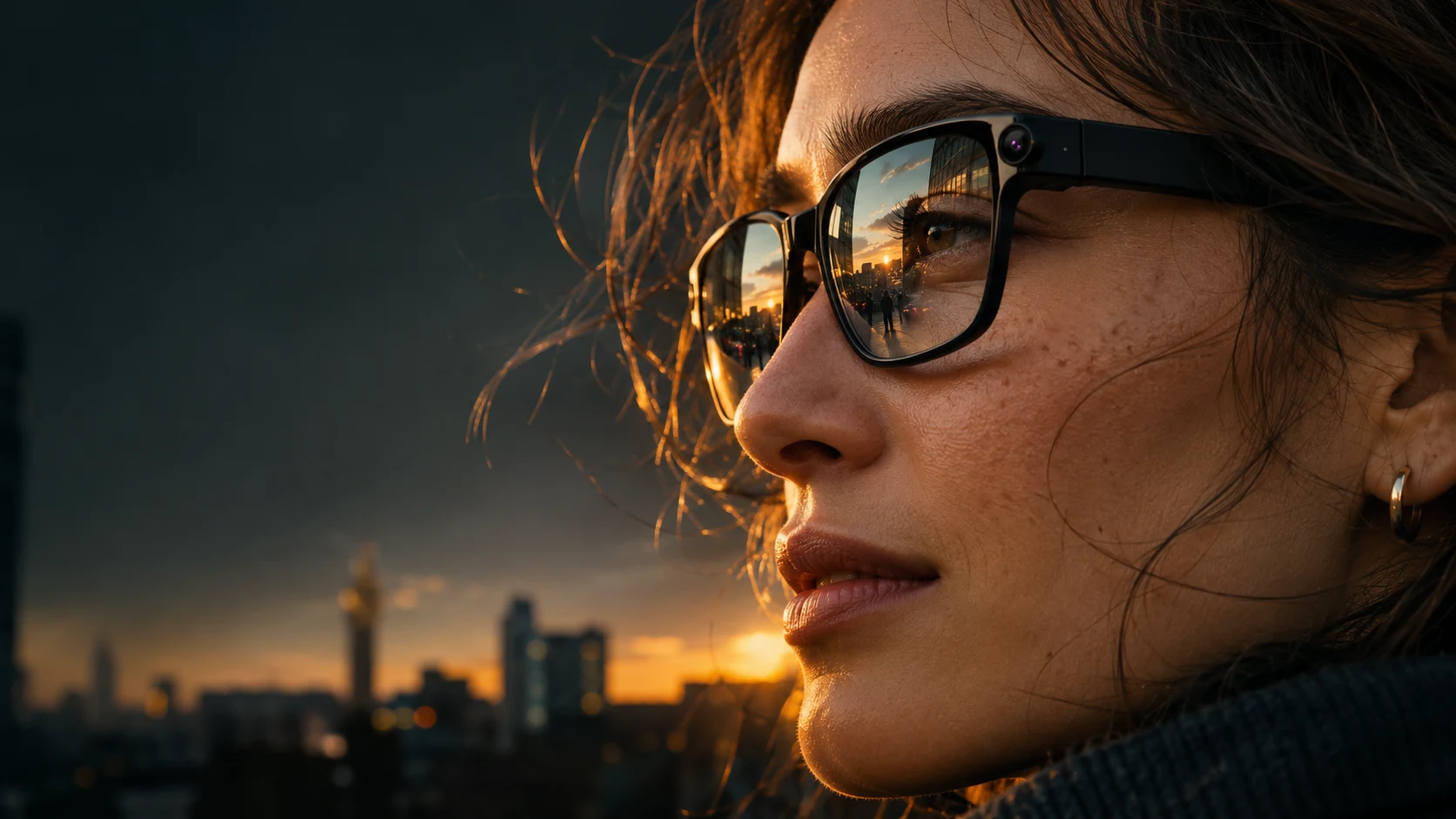
Cameras on glasses record the world from the wearer’s point of view. Our bet is that people will want AI that can make sense of that video and help them use it. We are targeting the Meta, Snap and Android XR ecosystems as they develop.
What we need to do
- Start with recorded first-person video from glasses such as Meta Ray-Ban.
- Find daily tasks where remembering what happened saves someone time.
- Build integrations as each platform opens the required access.

02Current work
We are hereBuild the POV dataset.
Map public sources, collect our own footage and label useful daily activity.
We have mapped major public first-person video sources and built HumanCapture’s capture and upload software. Next, we need a permissioned training corpus with clear activity labels and timestamps. Our proposed benchmark target is to capture 90% of useful, observable activity events on held-out footage, with at least 95% precision and coverage reported separately.
What we need to do
- Check source rights, remove duplicates and record where each clip came from.
- Label what the wearer did, when it happened and the surrounding scenario.
- Publish the test set rules before measuring the first model.

03Next step
Hire the team. Train the model.
Bring in two or three ML scientists and scale training after the smaller tests work.
The model needs to understand sequences of actions and how they change throughout a video. We plan to hire two or three ML scientists to work on data, video understanding and evaluation. GPU training will grow in stages, with a defined budget and a measurable result required for each larger run.
What we need to do
- Establish a baseline on real footage from glasses.
- Improve activity recognition, timestamps and handling of uncertain events.
- Measure quality, latency and cost before expanding training.
04The business
Sell apps and API access.
Give people a useful record of their day and give developers the context behind it.
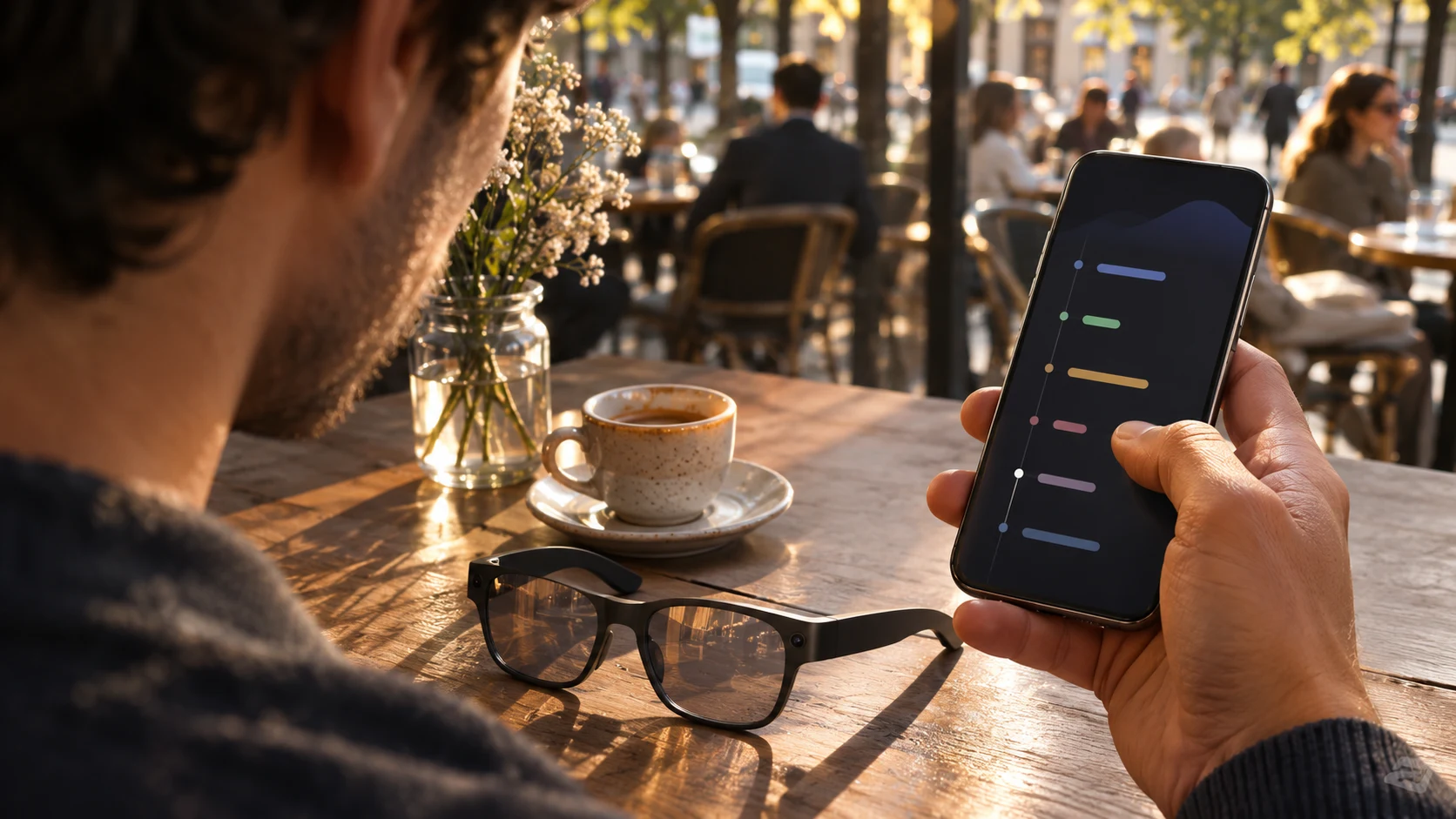
HumanCapture and HumanHUD give us a software foundation. The plan is to sell subscriptions for personal activity history and API access for developers. With permission, an assistant could retrieve what happened, prepare a reminder or draft a calendar entry from that record.
What we need to do
- Turn video into a searchable personal activity transcript.
- Let users choose which apps and agents can access their context.
- Test paid subscriptions and API pricing against actual usage and cost.
05The expansion
Build for enterprise and robotics.
Use the same data pipeline to build custom datasets for specific jobs.
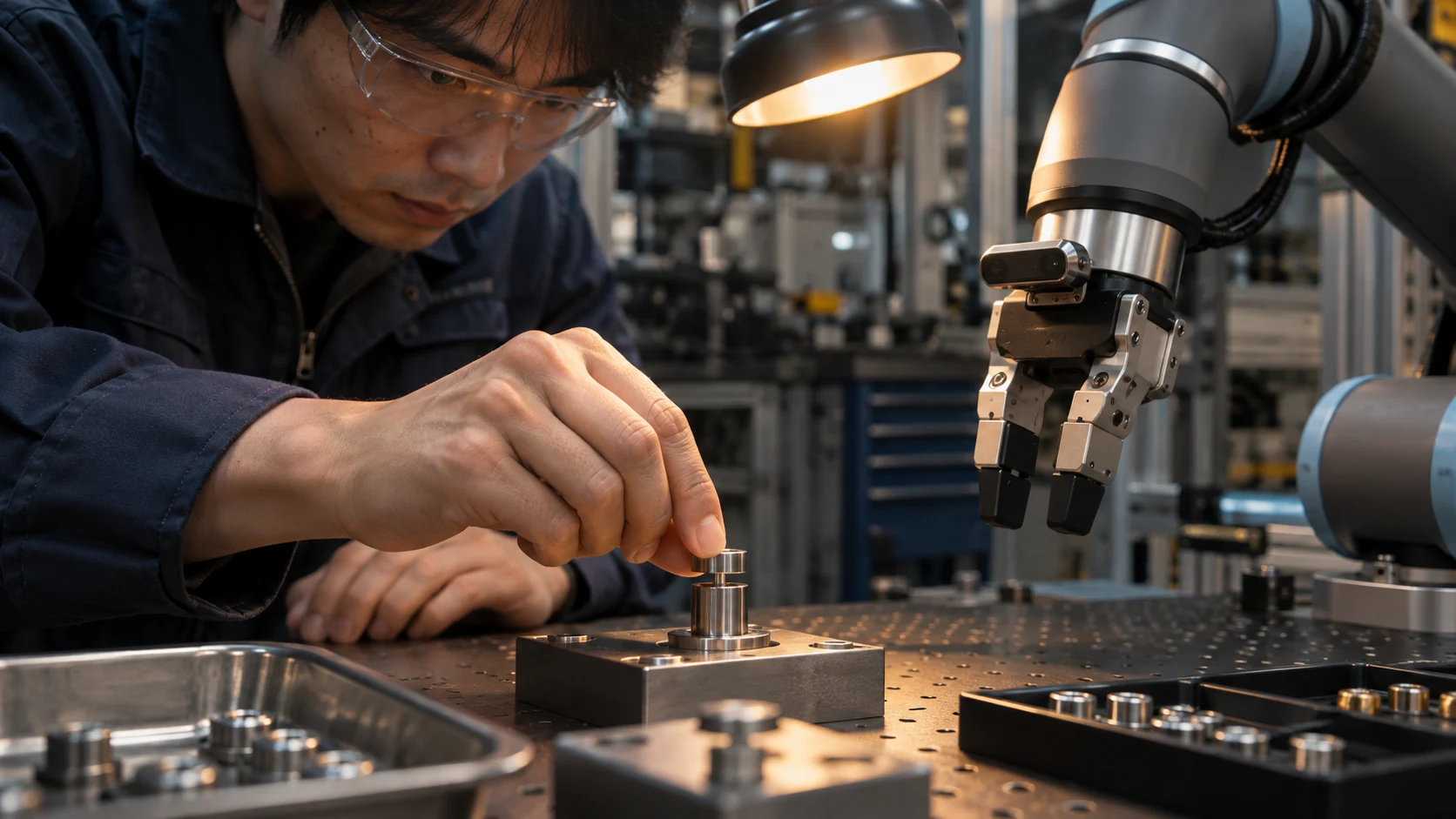
Companies need examples of real work for training, review and automation. We plan to collect and label custom first-person datasets around those tasks. Robotics teams could use human demonstrations as research data, with separate testing for any robot behavior built from them.
What we need to do
- Work with a customer on one clearly defined task.
- Deliver footage and labels against agreed acceptance tests.
- Make collection, review and licensing repeatable.
06Long-term target
Push reliability further.
Work toward 99.99% event precision under published test conditions.
The long-term goal is at most one incorrect accepted activity event per 10,000. A correct event must identify the action and relevant objects and meet the test’s timestamp tolerance. We will report missed events and coverage too, and require the model to flag uncertainty when it cannot tell what happened.
What we need to do
- Define the event rules and timing tolerance before testing.
- Test across people, places, lighting and camera conditions.
- Verify results independently as the system reaches more users.
Plain answers
Where things stand.
The software foundation exists. The data and model work come next.
Read the whitepaperWhat exists today?
HumanCapture’s capture and upload software, HumanHUD, and an inventory of public first-person video sources. We are working on the data pipeline and model research.
What will the model produce?
Timestamped JSON that describes what the wearer did, the scenario and useful visible details. The same record can support a personal transcript and context for other AI agents.
What does 90% mean?
We aim to capture 90% of useful, observable activity events in a representative test set. The proposed benchmark also requires at least 95% precision. We will publish what counts as a correct event and separately report which people, activities and conditions the test covers.
How does this make money?
The plan is subscriptions for personal apps, API access for developers and custom datasets for enterprise customers. Paid demand, retention and delivery costs need to be tested.
What has to happen next?
Curate a permissioned training corpus, hire the ML team and measure a baseline on real glasses footage. Then improve the model and test a focused product with users.
The whitepaper
The plan in detail.
Read the data strategy, model task, evaluation rules and business plan.
Talk with the founder
Talk with Revanth.
Discuss the research, a useful product idea, an enterprise pilot or a potential partnership.
revanthmatha@gmail.com